





Legislation that would authorize programs strengthening weather research and forecasting at the National Oceanic and Atmospheric Administration has passed out of the U.S. Senate Committee on Commerce, Science and Transportation.
The Weather Research and Forecasting Innovation reauthorization Act of 2026 would establish an atmospheric river forecast improvement program while strengthening landslide preparedness, establishing an official Fire Weather Services Program and deploying new technology and tools to forecast droughts and heat waves. It is sponsored by led by U.S. Sens. Maria Cantwell (D-WA), Ted Cruz (R-TX), Lisa Blunt Rochester (D-DE), Dan Sullivan (R-AK), Brian Schatz (D-HI), Jerry Moran (R-KN), Jacky Rosen (D-NV), Tim Sheehy (R-MT), Amy Klobuchar (D-MN) and Ted Budd (R-NC).
“In the State of Washington, we know firsthand how extreme weather has become costly and dangerous,” Cantwell said. “In December, Western Washington endured back-to-back atmospheric rivers that dumped nearly 5 trillion gallons of rain causing massive, devastating floods. Over 70 landslides were reported, blocking major transportation routes, disrupting communities, threatening lives and livelihoods. The devastating floods in Kerrville and Asheville, the fires in Palisades and Lahaina and too many other natural disasters have shown us that providing Americans with more timely and accurate weather information can avoid billions of dollars in property losses and save lives. In 2025 alone, weather disasters cost the United States $115 billion. That is why this bill matters.”
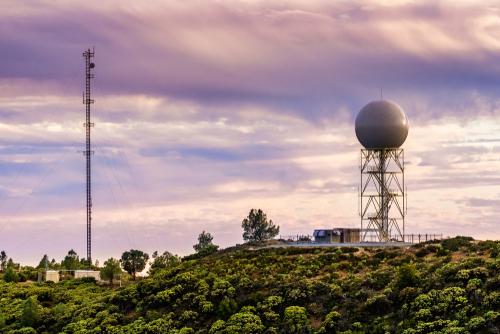
The bill would also address NOAA’s aging radar network by directing the agency to design and deploy the next generation of weather radar technology by 2040. It would also direct the National Weather Service to include turbulence events and icing conditions in its forecasting as well as establish an airborne observation program to acquire the atmospheric data from commercial aircraft.
Lawmakers said the legislation would also focus on emergency preparedness by requiring NOAA to maintain and improve communications systems that warn of potentially hazardous weather events, and upgrade outdated weather radio technology to provide reliable and continuous weather and emergency alerts.
Other modernization efforts included updating Tsunami Forecasting, establishing the Hurricane Forecast Improvement Project as a long-term program, expanding the goals of the Tornado Warning Improvement and Extension Program, and providing funding for weather laboratories, as well as tornado, severe storm, and next generation radar research.
Officials also said the legislation supports farmers with drought information systems, reauthorizes agricultural weather and climate information, and authorizes the National Mesonet Program to monitor and observe weather events and microclimates.
“Western Governors have long advocated for the improvement of forecasting abilities for weather and natural disasters, as evidenced by their efforts that led to the creation of the National Integrated Drought Information System,” Jack Waldorf, executive director of the Western Governors Association, said. “Western Governors are encouraged by several provisions within the Weather Act which enhance and reauthorize drought monitoring, fire weather and disaster forecasting, water quality maintenance, and soil moisture sensing. These programs are critical to enhancing the security and prosperity of the West’s communities and economies.”